
Skip to content
Digital Meitheal (meh-hal)
Request an invitation (opens your email app)

19/20 November 2026 - Civic Offices Drogheda

Digital Meitheal(meh-hal)

Connect. Share. Build. Accelerate.

A two-day working meitheal (meh-hal) for people building better public and civic services — bringing real challenges, reusable digital building blocks and people prepared to help.

Request an invitation

Countdown to 19 November

Come to help. Come needing help. Come ready to learn.

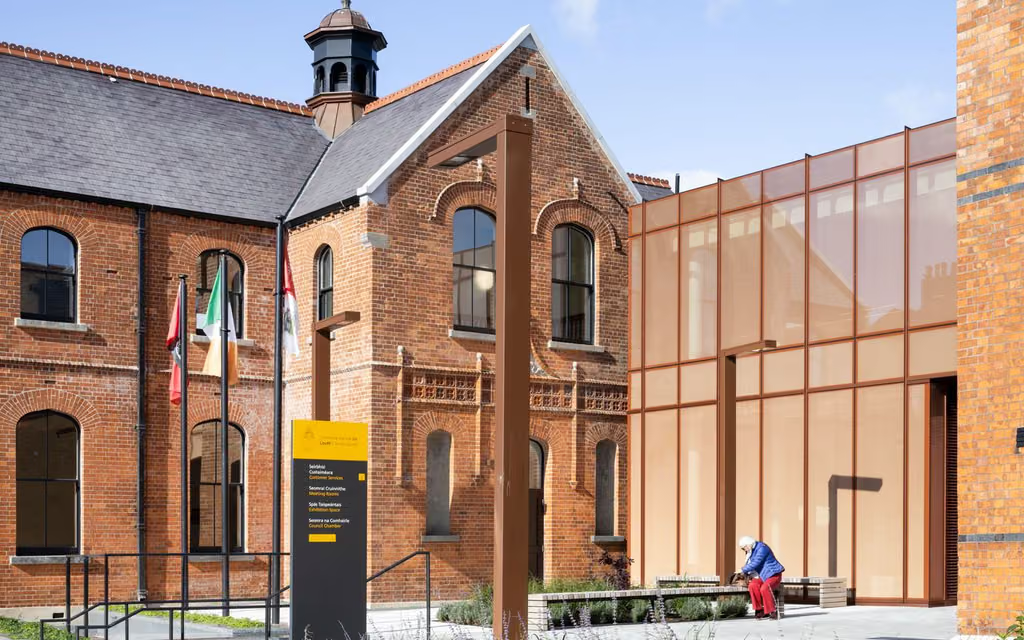
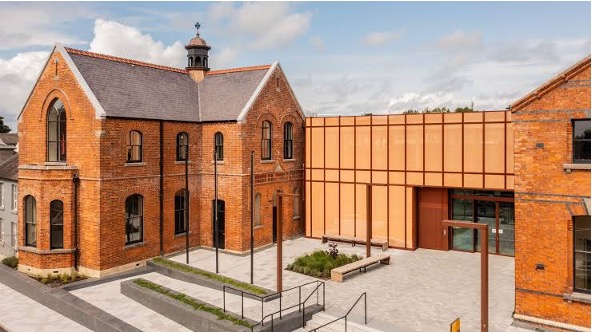
Louth County Council Civic Offices on Fair Street, Drogheda — Victorian red brick beside a copper-clad glass extension
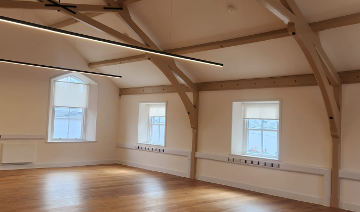
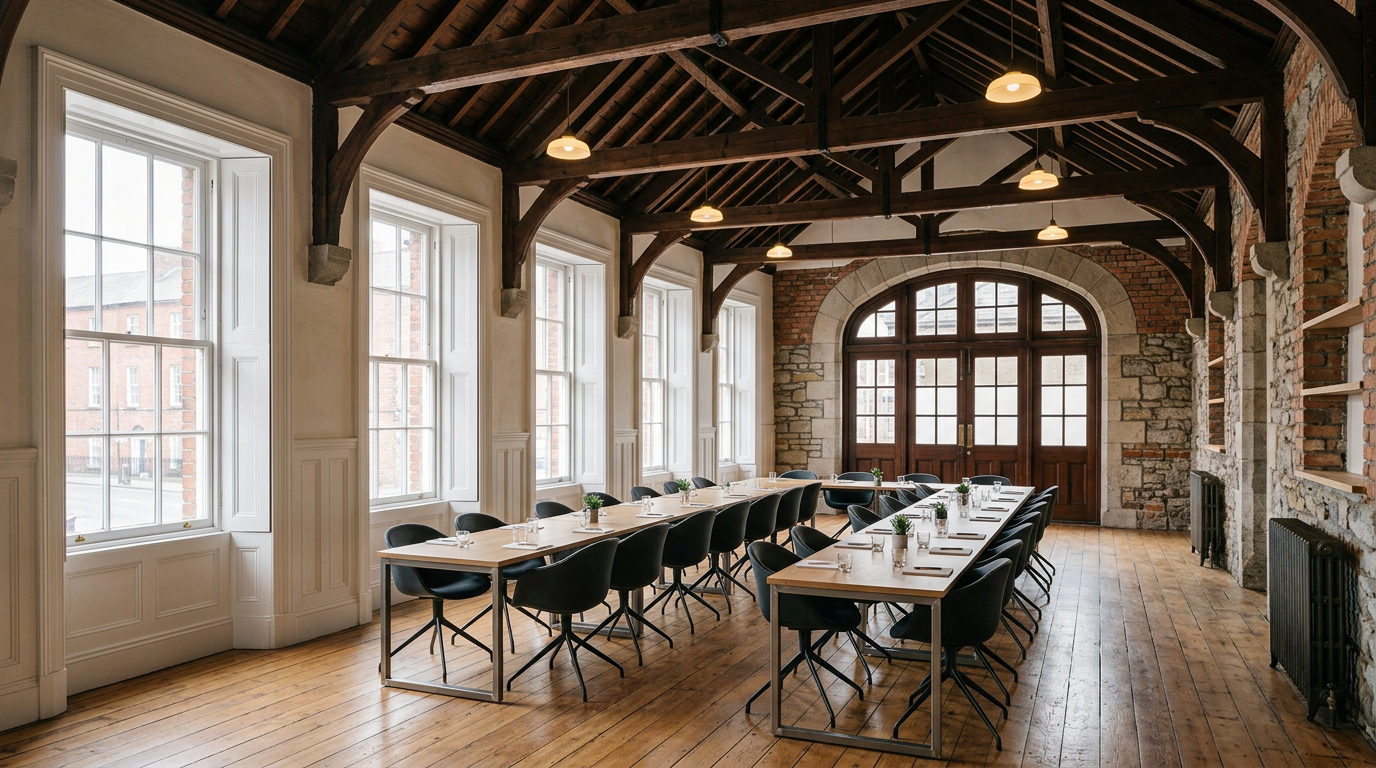
Timber-beamed workroom with tall sash windows and oak floors inside the Civic Offices
Meitheal — building better public services
Dates
19–20 November 2026
Venue
Louth County Council Civic Offices, Drogheda
Format
Curated participation · Everyone contributes

What is a meitheal (meh-hal)?

The Irish tradition of neighbours working together — applied to digital public services.

A meitheal (meh-hal) was the neighbours arriving to save the hay or bring in the harvest: the work was too big for one household, so everyone came, and everyone got their turn. No one was a spectator.

Digital Meitheal (meh-hal) brings public, private, academic and civic practitioners together for two days of work on real public-service challenges. It is not a conference. It is a working event: people bring problems, lend expertise and build the next step together.

  • Bring a real challenge

    Something you own, live with or have to deliver — not a hypothetical.

  • Bring something you can share

    Code, data, a pattern, a policy, a scar. Reusable beats bespoke.

  • Leave with a next action

    A named person, a date and something concrete to do next.

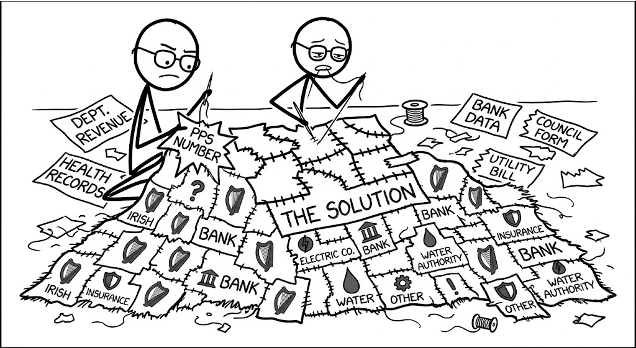
Cartoon of two people stitching together a patchwork quilt of Revenue, health, bank, utility and council records into something labelled The Solution
Today's reality: people stitch services together themselves. A meitheal (meh-hal) builds the seams once, for everyone.

Why now

Europe is building the infrastructure. The services are ours to design.

Ireland holds the Presidency of the Council of the EU as digital public infrastructure moves from specification to reality. The components exist. What is missing is people working across boundaries to turn them into services that feel simple.

  • Identity & wallets

    EU Digital Identity Wallets arrive across Member States, changing how people prove who they are and what they are entitled to.

  • Verifiable credentials

    Qualifications, registrations and mandates can be issued once, held by people and checked by anyone who needs to.

  • Interoperable services

    Shared building blocks let services connect across departments and borders instead of rebuilding the same plumbing.

  • Trust & authority

    Knowing who can act, for whom and for how long is the hard problem underneath almost every digital service.

The blocks already exist

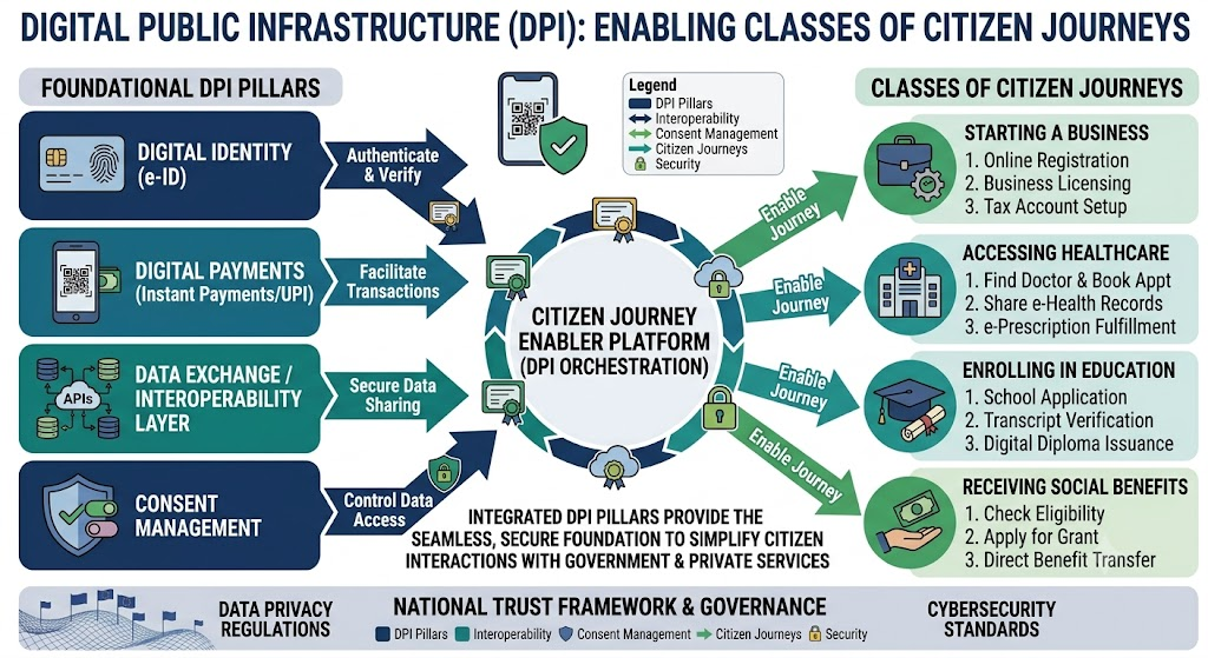
  • Diagram of digital public infrastructure: identity, payments, data exchange and consent pillars enabling citizen journeys such as starting a business or accessing healthcare
    Digital public infrastructure
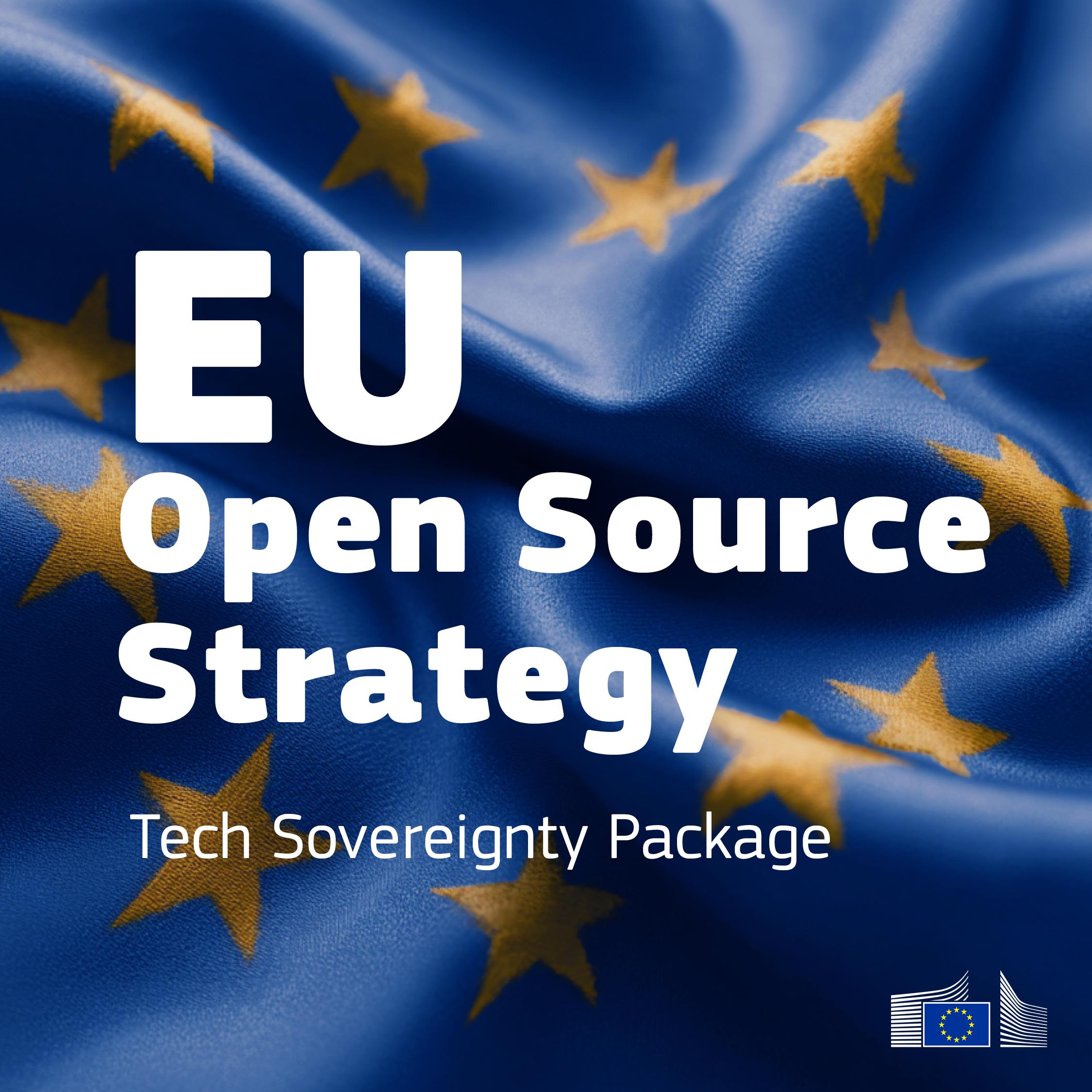
  • EU Open Source Strategy — Tech Sovereignty Package, over the EU flag
    EU Open Source Strategy
  • Hand holding a phone showing the gov.ie Government Digital Wallet with a MyGovID credential
    Government Digital Wallet
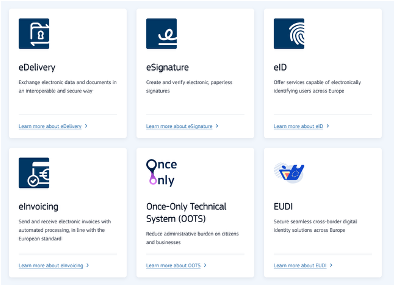
  • European building blocks: eDelivery, eSignature, eID, eInvoicing, Once-Only Technical System and EUDI
    EU building blocks
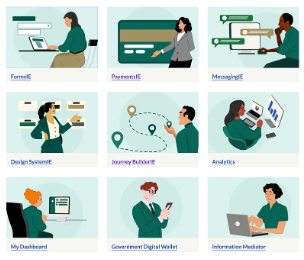
  • Irish government building blocks: FormsIE, PaymentsIE, MessagingIE, Design System, Journey Builder, Analytics, My Dashboard, Government Digital Wallet and Information Mediator
    Irish government building blocks

Why Drogheda?

Drogheda, on purpose.

We picked Drogheda on purpose. Not Brussels. Not a Dublin convention centre. Not somewhere with a conference carpet and a lanyard queue.

This is about making solutions work on the ground, with the people who need them. Bringing public servants, builders, researchers and communities together around real problems — not another conversation at a distance from them.

Start here. Build something useful together. Make it reusable, so the next town, county or community does not have to start again.

From the smallest county in Ireland, something worth sharing across Europe.

The Meitheal method

Four verbs. One span.

The method provides direction without imposing a fixed workshop format. A challenge can remain a self-organising Open Space, move into a facilitated Design Jam, or become a practical Hack focused on building and testing. Each step places another block on the bridge. The final span is completed by the people in the room.

  • Open SpaceDiscover and self-organise
  • Design JamFrame, imagine and prototype
  • HackBuild, integrate and test

Start open. Use only as much structure as the work needs.

  1. Step 1Find the people

    Connect

    Meet the people who own, deliver and live with the problem—across disciplines, sectors and borders. Surface needs, offers and the questions worth working on.

  2. Step 2Share what exists

    Share

    Share experience, work, patterns building blocks:stories, scenarios, code, data, models, standards, patterns, policy, lived experience and lessons from previous work.

  3. Step 3Make it real

    Build

    Choose the working mode that best serves the challenge:

    • Open SpaceSelf-organise around the questions and connections that matter.
    • Design JamUse facilitated research, journey mapping, ideation and prototyping to shape a service or policy response.
    • HackAssemble data, APIs, standards and code to build and test a working demonstrator.

    Possible outputs include a journey, rule model, schema, prototype, demonstrator or pilot plan.

  4. Step 4Carry it forward

    Accelerate

    Challenge the work, the assumptions and rebuild what needs to change. Leave with a something to take away, to think about or to take action.

No prescribed format. No spectators. Just enough structure to help people do useful work together.

Real problems. Brought by real people.

A few challenges to get you thinking.

These are examples of challenges people have already brought to the Meitheal. They are not tracks, themes or a fixed agenda—just a taste of the problems we could tackle together.

The real goal is for you to bring yours. Pitch it at the Marketplace, find people who can help and create a working session around it. The agenda emerges from the challenges, capabilities and energy in the room.

What could you bring?

A taste of what might emerge

Showing 3 of 6 examples

The examples start the thinking. Your challenges create the agenda.

Featured place-based challenge

Drogheda Before the Change

A collaborative town-centre health baseline

How healthy is Drogheda town centre before major transport, public-realm and regeneration projects change how it works?

On Thursday, Transition Year and university students will work with local government, researchers and community participants to document vacancy, deterioration and renewal. Together, they will create a trusted baseline against which future change can be measured.

Observe the town centre

  • Ground-floor and upper-floor vacancy
  • Visible deterioration and possible dereliction indicators
  • Repair, reuse and redevelopment activity
  • Active businesses and community uses
  • Accessibility and public-realm conditions
  • Development sites and renewal opportunities
  • Location, date, photograph and confidence level

Observations are made from public places and do not constitute statutory findings.

Turn observations into shared evidence

Validated observations will be loaded into an NGSI-LD repository linking Drogheda’s buildings, premises, streets, public spaces, surveys and infrastructure projects.

The resulting APIs will help participants examine where vacancy and renewal were observed, how conditions change during major projects, and which areas may need continued attention.

What the challenge will produce

  • Agreed study area
  • Shared survey method
  • Data dictionary
  • Quality-controlled baseline
  • Linked data model and APIs
  • Baseline map and repeat-survey plan

Survey responsibly

  • Remain in public places
  • Do not collect personal information
  • Avoid photographing identifiable people
  • Use neutral, evidence-based classifications
  • Validate observations before publication
  • Preserve the original baseline
  • Include human review and error correction

Help Drogheda record the town centre before the change.

Contribute to an open, linked and repeatable evidence base for understanding how infrastructure and regeneration affect Drogheda over time.

Programme

Two days, one working rhythm.

Times are indicative. The Open Space agenda is set by participants on the morning of Day 1.

Thursday 19 November

  1. Opening Circle

    Welcome, Presidency framing, Meitheal (meh-hal) and Open Space principles.

  2. Marketplace

    One-minute pitches clustered into an emergent agenda.

  3. Open Space Breakouts

    Three working slots: convene, help and play.

  4. Questions, Ideas & Continued Breakouts

    New pitches, group updates and continued work.

  5. Closing Circle, Pint & Craic

    Reflection followed by dinner.

Alkemio

Before and after the event

The collaboration starts before Drogheda—and continues afterwards.

Join the Digital Meitheal space on Alkemio to meet participants, explore the challenges, share ideas and continue the work after the event.

Join the collaboration

Who should come

Everyone contributes. No spectators.

Participation is curated so each challenge has the mix of people it needs. Tell us what you can help with, or what you need help with.

  • Public servants

    Service owners, policy leads, architects and frontline staff who deliver and live with the systems.

  • Industry

    Builders of wallets, credentials, platforms and integrations who want their work to land in real services.

  • Academia

    Researchers in identity, trust, law, design and ethics who can test ideas against evidence.

  • Civic & voluntary

    Clubs, charities and advocacy groups who carry the burden when services do not join up.

  • Standards & EU

    People shaping the frameworks and specifications that make interoperability possible.

  • Lived experience

    People who have navigated the journeys — the most important expertise in the room.

Venue

Civic Offices, Fair Street, Drogheda.

A civic building for civic work — hosted by Louth County Council in the heart of Drogheda, midway between Dublin and Belfast.

Exterior of Drogheda Civic Offices
Vaulted room with timber roof trusses, arched windows and linear pendant lighting

Louth County Council Civic Offices

Fair Street
Drogheda, Co. Louth
A92 P440

Venue reception: 041 983 3511

Access and accessibility

Tell us what you need to take part fully — step-free access, hearing support, quiet space, dietary requirements or anything else. We will confirm arrangements with the venue before you travel.

Contact us about access

Getting here

On the Dublin–Belfast corridor.

Timetables change. Always check the live operator link before you travel.

Recommended

Dublin Airport → Drogheda

  • Expressway route 100X connects Dublin Airport with Drogheda and Dundalk.
  • Check the live timetable before you travel; schedules change seasonally.

Arriving via Belfast? Use the journey planner to combine an airport transfer with Belfast–Drogheda rail or coach.

Stay a little longer

Make a weekend of it.

Digital Meitheal brings you to the heart of Drogheda — a historic town on the River Boyne and the gateway to one of Ireland’s most remarkable cultural landscapes.

Stay for the weekend and explore medieval streets and town walls, walk through 5,000 years of history at Newgrange, discover the Battle of the Boyne landscape at Oldbridge, or follow the cliffs from Clogherhead to Port Oriel.

This is more than a venue for an event. It is a place worth experiencing.

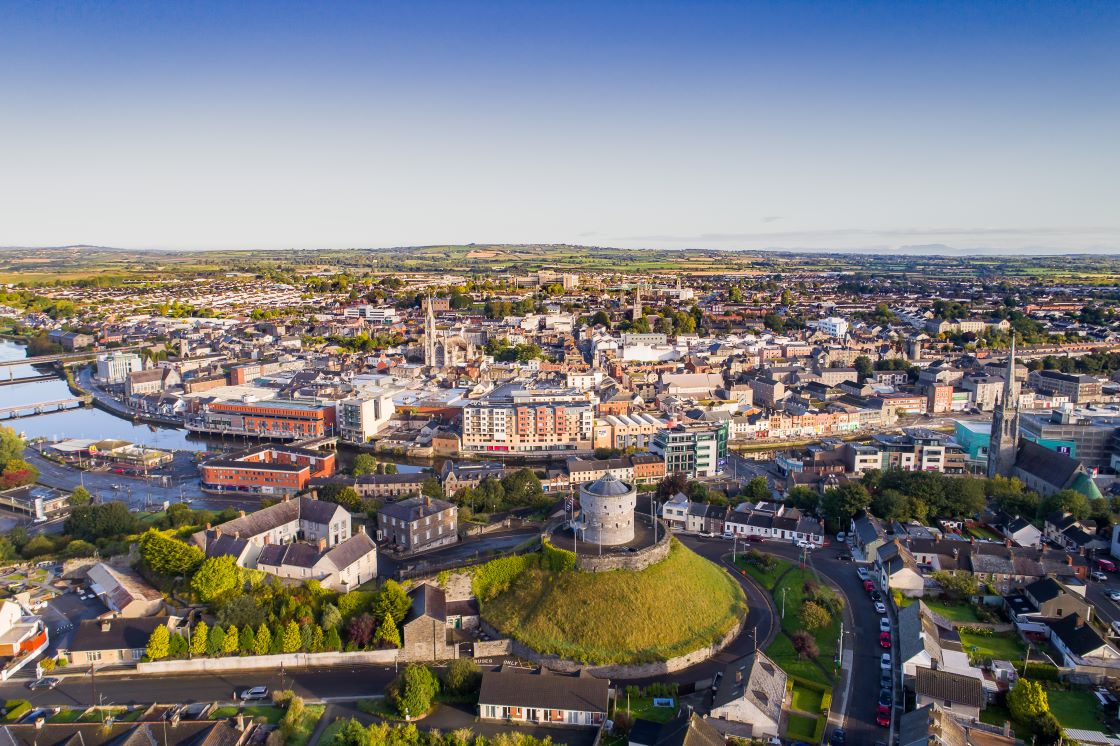
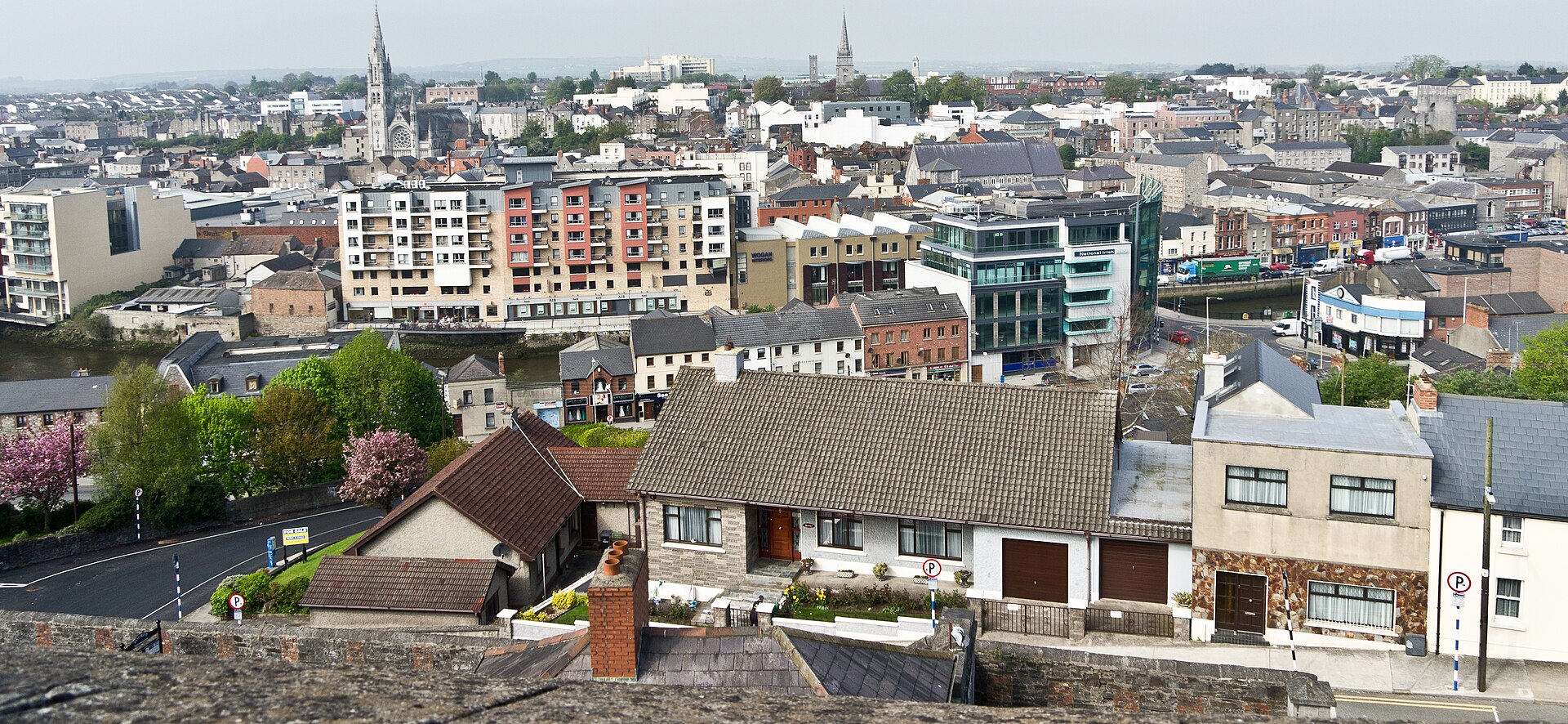
Aerial view of Drogheda with Millmount Martello tower on its grassy mound in the foreground, the River Boyne to the left and church spires rising across the town.

Drogheda · Boyne Valley · County Louth

5,000 years of stories.
One unforgettable weekend.

From medieval Drogheda to the monuments of Brú na Bóinne and the coastline at Clogherhead, some of Ireland’s most important places are within easy reach of the event.

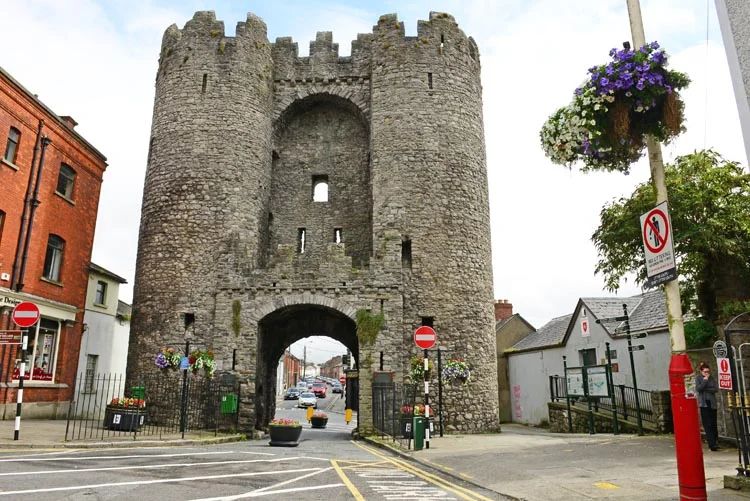
St Laurence’s Gate in Drogheda, a medieval stone barbican with twin drum towers framing a pointed archway over the street.

Medieval Drogheda

Walk between two medieval towns

Drogheda developed from two separately founded and separately walled towns on opposite banks of the Boyne. They became one town in 1412. Explore St Laurence’s Gate, the surviving town walls, the Tholsel, Millmount and the streets connecting both sides of the river.

Begin at St Laurence’s Gate

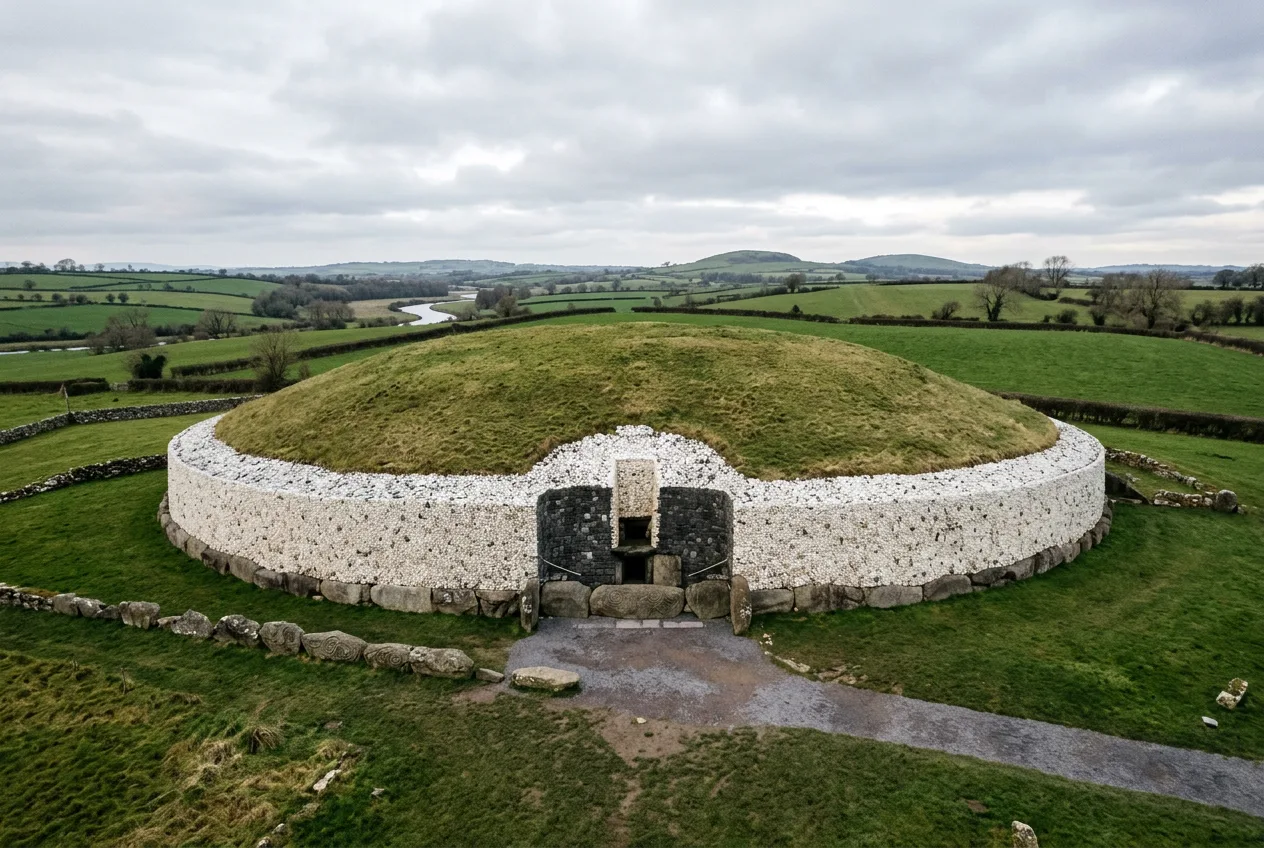
The Newgrange passage tomb, a great grass-topped mound with a white quartz facade and carved entrance stone, in the green fields of the Boyne Valley.

Brú na Bóinne

Step inside 5,000 years of history

Visit Newgrange in the UNESCO World Heritage landscape of Brú na Bóinne. In November, the visitor experience includes the exhibition and a guided visit to Newgrange, with access managed through the Brú na Bóinne Visitor Centre.

Booking note: Advance booking is essential. November tickets are normally released seven days ahead.

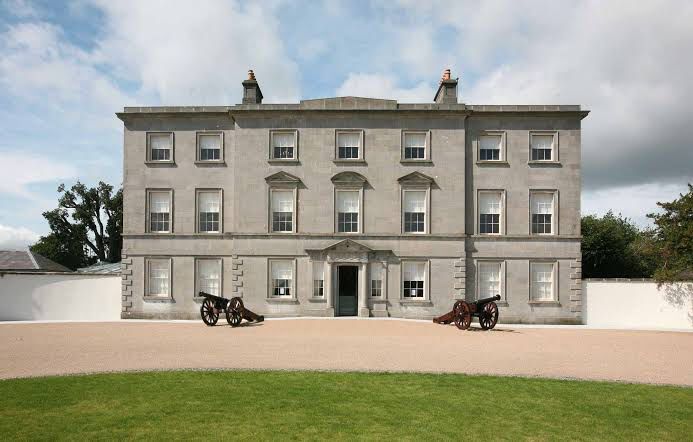
The grey stone Georgian facade of Oldbridge House, with two historic cannons on the gravel forecourt and a lawn in front.

Oldbridge

Walk the Battle of the Boyne landscape

Visit Oldbridge Estate on the banks of the Boyne. Explore the visitor experience, restored walled garden, historic parkland and walking routes across the battlefield.

Combine Oldbridge with a walk beside the Boyne

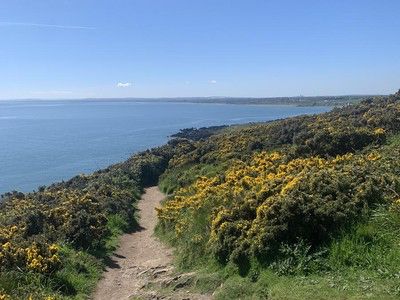
A narrow coastal path at Clogherhead winding through yellow gorse above the calm Irish Sea under a clear blue sky.

The Louth coast

Walk from Clogherhead to Port Oriel

Trade conference rooms for open coastline. Follow the headland trail above the sea from Clogherhead towards the working fishing harbour at Port Oriel, with wide views along Ireland’s east coast.

Approximately 12 km from Drogheda

The route

  1. Stop 1: Drogheda

    Medieval Drogheda: explore on foot

  2. Stop 2: Newgrange

    Short drive from Drogheda

  3. Stop 3: Oldbridge

    Short drive or Boyne Greenway excursion

  4. Stop 4: Clogherhead

    Approximately 12 km northeast of Drogheda

Times and access arrangements can change. Check official visitor information before travelling.

Your Meitheal weekend

  1. Friday evening

    Arrive and settle in

    Check into your accommodation, take an evening walk through Drogheda and meet fellow participants over dinner in the town centre.

  2. Saturday

    Explore the Boyne Valley

    Start with Newgrange, continue to Oldbridge and return to Drogheda for an evening in the town.

    Book Newgrange in advance

  3. Sunday morning

    Take to the coast

    Drive to Clogherhead for the headland walk, sea views and Port Oriel before travelling home.

    Alternative: Remain in Drogheda and explore St Laurence’s Gate, Millmount, Highlanes Gallery and the Boyne riverside.

Where to stay

Stay in Drogheda.

Event rates are limited and subject to availability. Book directly using the event name shown below.

  • The Marcy Hotel

    Town centre

    West Street, Drogheda

    A refurbished boutique hotel on West Street in central Drogheda.

    Event offer
    Event hold open until 31/10
    Book direct(opens in a new tab)Details verified 30 September 2026
  • Scholars Townhouse

    Town centre

    King Street, Drogheda

    A historic boutique hotel in central Drogheda, dating from 1867.

    Event offer
    Event hold open until 31/10
    Book direct(opens in a new tab)Details verified 30 September 2026
  • Sunday Street

    Town centre

    Sunday’s Gate, Drogheda

    Twelve boutique rooms at Sunday’s Gate, above a Neapolitan pizzeria.

    Event offer
    Event hold open until 31/10
    Book direct(opens in a new tab)Details verified 30 September 2026
  • CityNorth Hotel

    On the M1 corridor, south of Drogheda

    Gormanston, Co. Meath, K32 W562

    A four-star hotel and conference centre off the M1 at Gormanston.

    Outside Drogheda — allow for a car or taxi transfer to Fair Street.

    Event offer
    Event hold open until 31/10
    Book direct(opens in a new tab)Details verified 30 September 2026

Partners

A meitheal (meh-hal) needs many hands.

Digital Meitheal (meh-hal) is organised in partnership with public, academic, community and industry organisations.

Help build the next span.

19–20 November 2026 · Louth County Council Civic Offices, Drogheda. Come to help. Come needing help. Come ready to learn.